
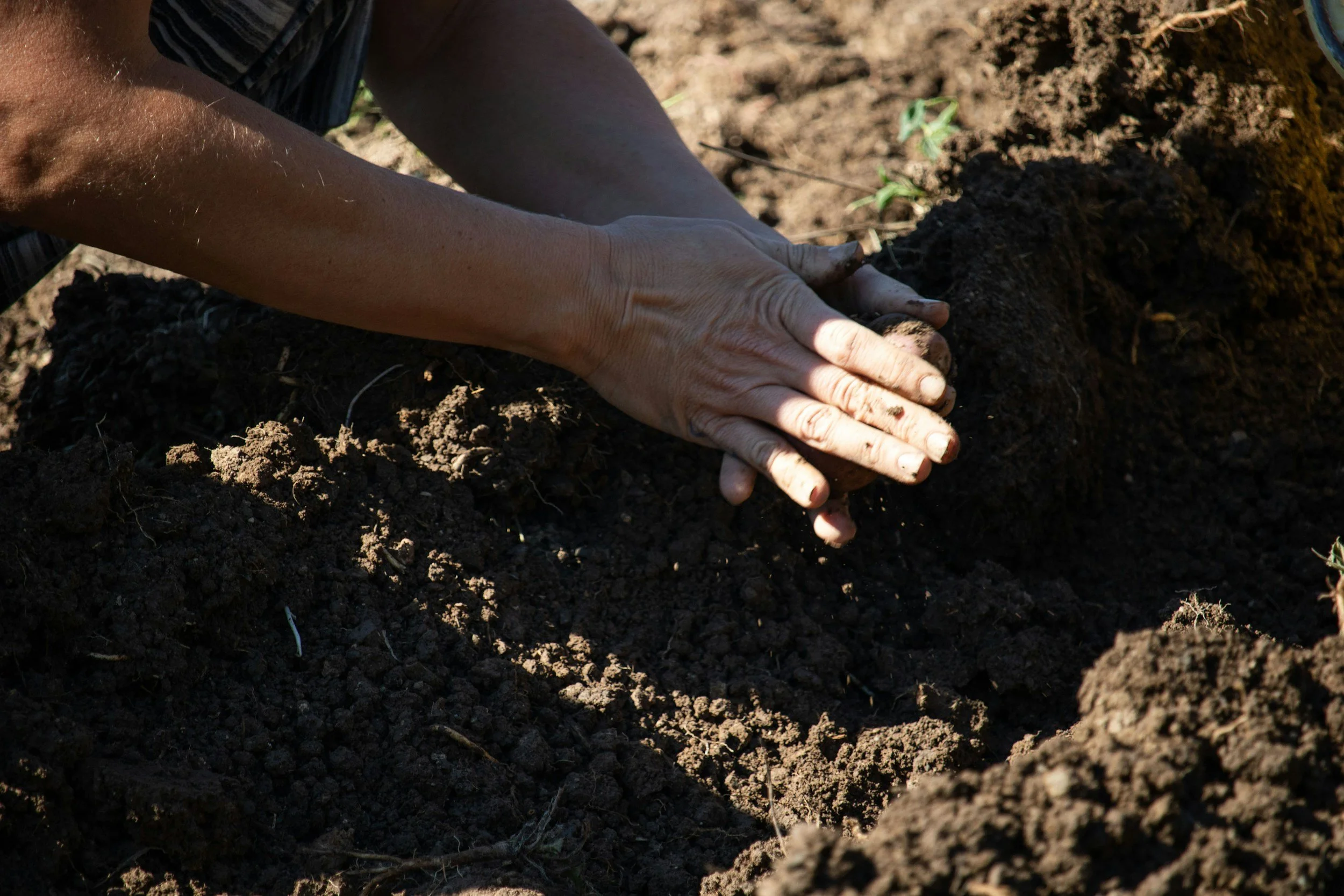
Healthy landscaping starts beneath the surface. Before choosing plants, installing irrigation, or designing a new garden, it is important to understand the soil those plants will depend on.
California has an enormous range of soil conditions, influenced by local geology, elevation, rainfall, drainage, and land use. Even within Marin County, two neighboring properties can have very different soil characteristics. Some gardens drain quickly after a storm, while others remain saturated for days. Some soils are easy to dig and plant, while others become sticky when wet and hard when dry.
At Pacific Garden Artistry, we believe successful landscape design begins with understanding the property as a whole. Soil conditions influence everything from plant selection and irrigation to drainage, lawn health, and the long-term success of a landscape.
In this guide, we explore the most common soil textures, explain how they affect landscaping, and take a closer look at one of the most challenging soil types for Marin County homeowners: clay.
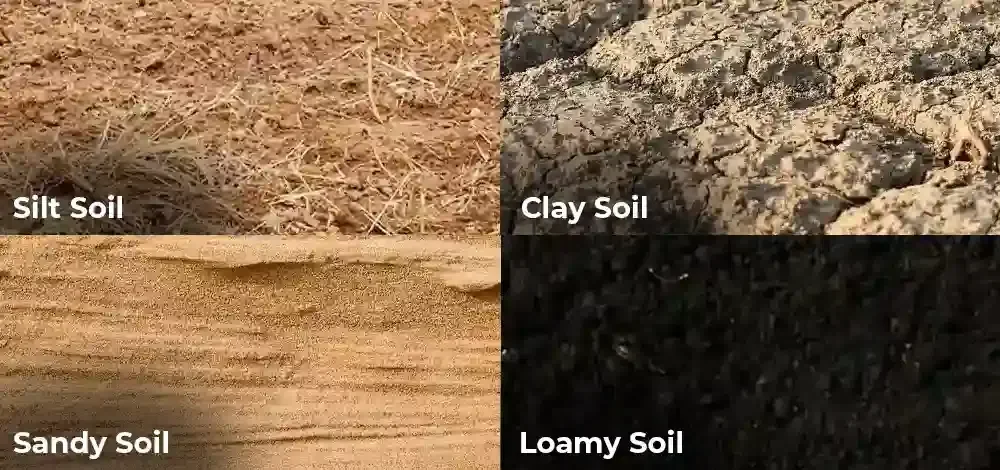
The Main Types of Soil Found in California
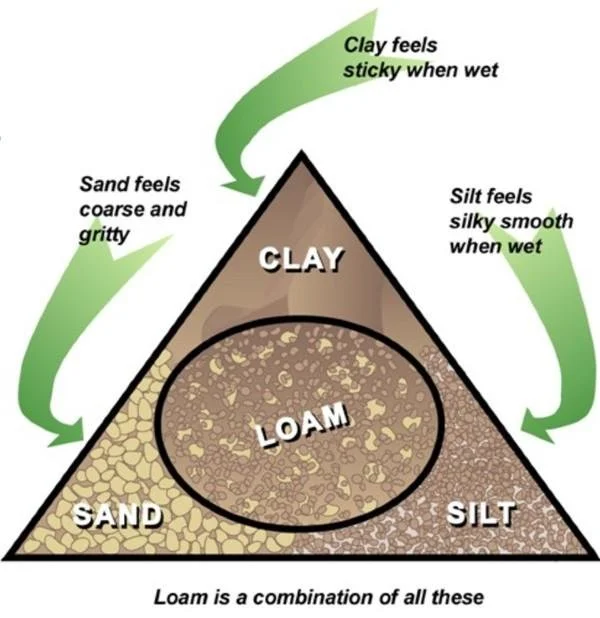
Soil is commonly classified by texture, which refers to the relative proportions of sand, silt, and clay particles. These particles differ in size, affecting how soil holds water, drains, retains nutrients, and supports plant roots.
Most garden soils fall somewhere along a spectrum rather than fitting perfectly into one category.
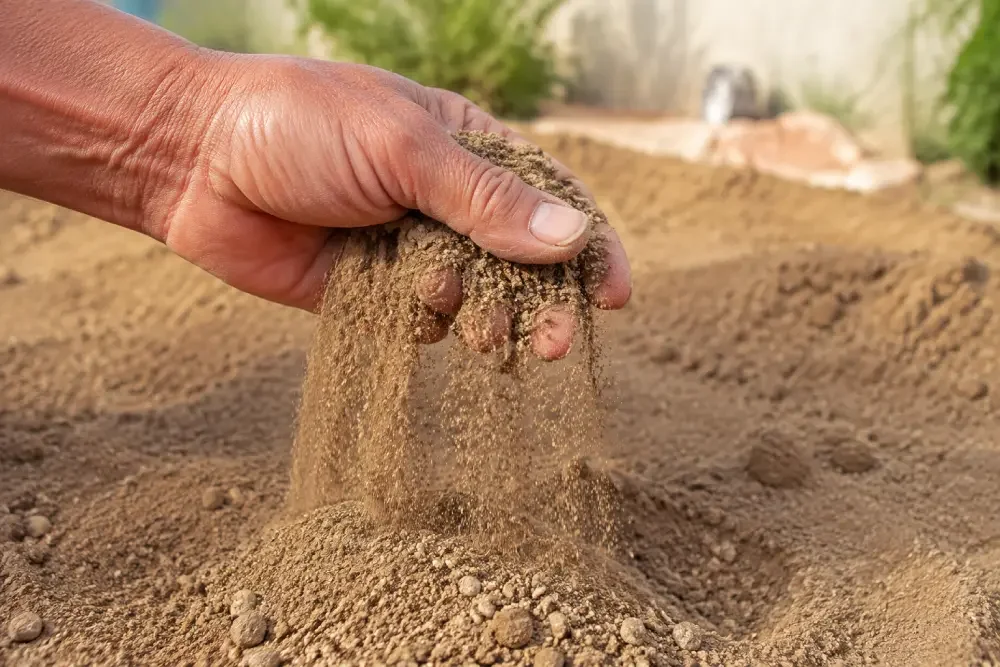
1. Sandy Soil: Fast Drainage, Less Water Retention
Sandy soil contains a relatively high proportion of large sand particles. The spaces between these particles allow water to move through quickly.
Characteristics of sandy soil:
Drains relatively quickly
Is generally easy to dig and work
Dries out faster than finer-textured soils
Holds fewer nutrients and less water
May require more frequent irrigation
For homeowners, sandy soil can be useful for plants that need excellent drainage. However, plants may struggle during dry California summers if the soil cannot retain enough moisture between waterings.
Compost and other appropriate organic matter can improve sandy soil by increasing its capacity to hold moisture and nutrients.
2. Silty Soil: Smooth Texture and Good Moisture Retention
Silty soil contains a high proportion of fine particles that feel smooth or flour-like when dry. It generally holds more moisture than sandy soil while remaining easier to work than heavy clay.
Characteristics of silty soil:
Smooth, soft texture
Generally retains moisture well
Can support productive plant growth
May compact or erode when poorly managed
Can develop a surface crust under certain conditions
Silty soils can be productive garden soils, but maintaining their structure is important. Organic matter, ground cover, and careful management of foot traffic can help protect the soil from compaction and erosion.
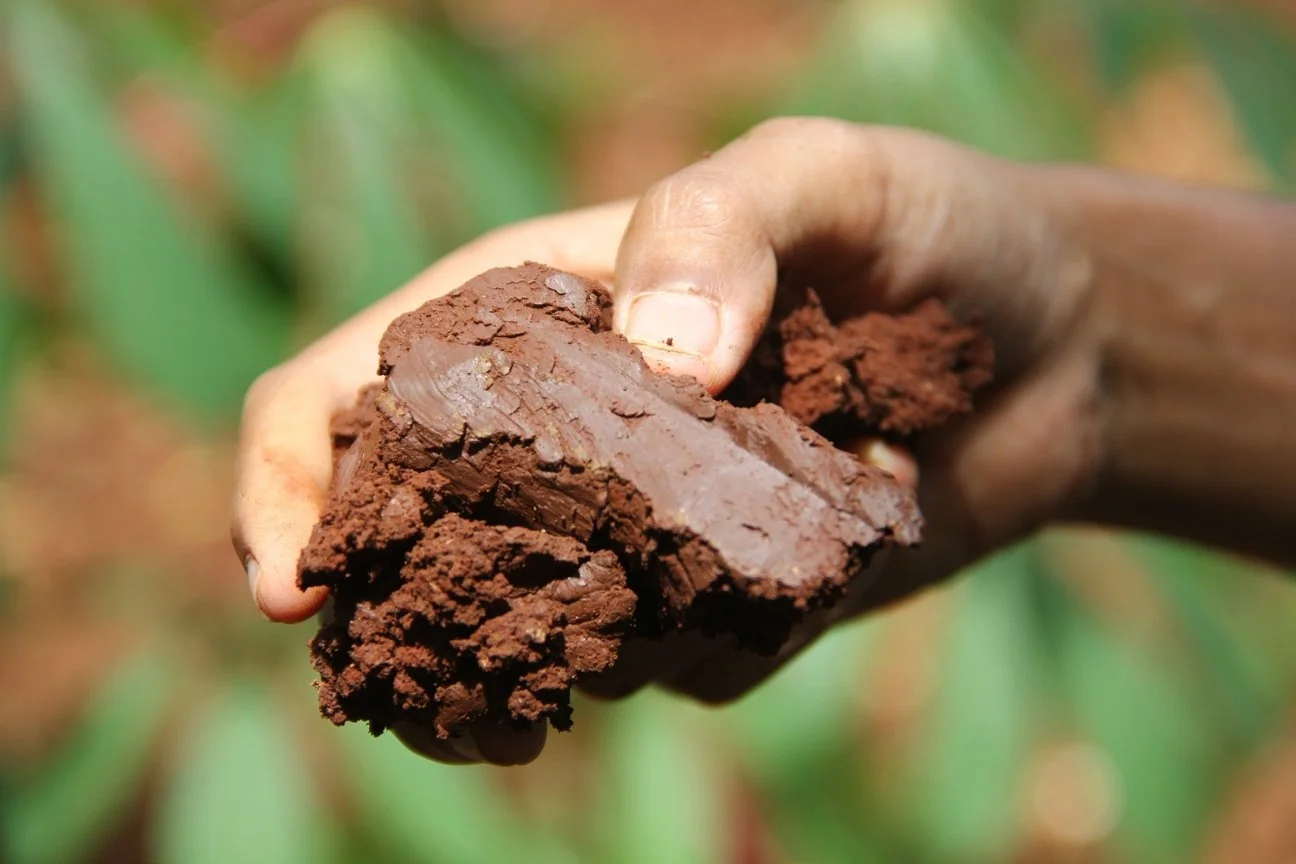
3. Clay Soil: Nutrient-Rich but Often Slow to Drain
Clay soil contains a high proportion of extremely fine particles. These particles fit closely together and can hold substantial amounts of water and nutrients.
This can be an advantage for plant growth, but clay presents challenges when water cannot drain away efficiently.
Characteristics of clay soil:
Often holds nutrients well
Retains moisture for extended periods
Drains slowly when its structure is dense
Can become sticky when wet
May become hard, cracked, or compacted as it dries
Clay soil is common in many California gardens, including parts of Marin County. Its behavior depends on the specific soil composition, depth, structure, compaction, and underlying drainage conditions.
The important distinction is that clay soil is not inherently bad soil. With appropriate plant selection and thoughtful management, it can support a healthy and attractive landscape.
We'll explore clay soil in greater detail below.
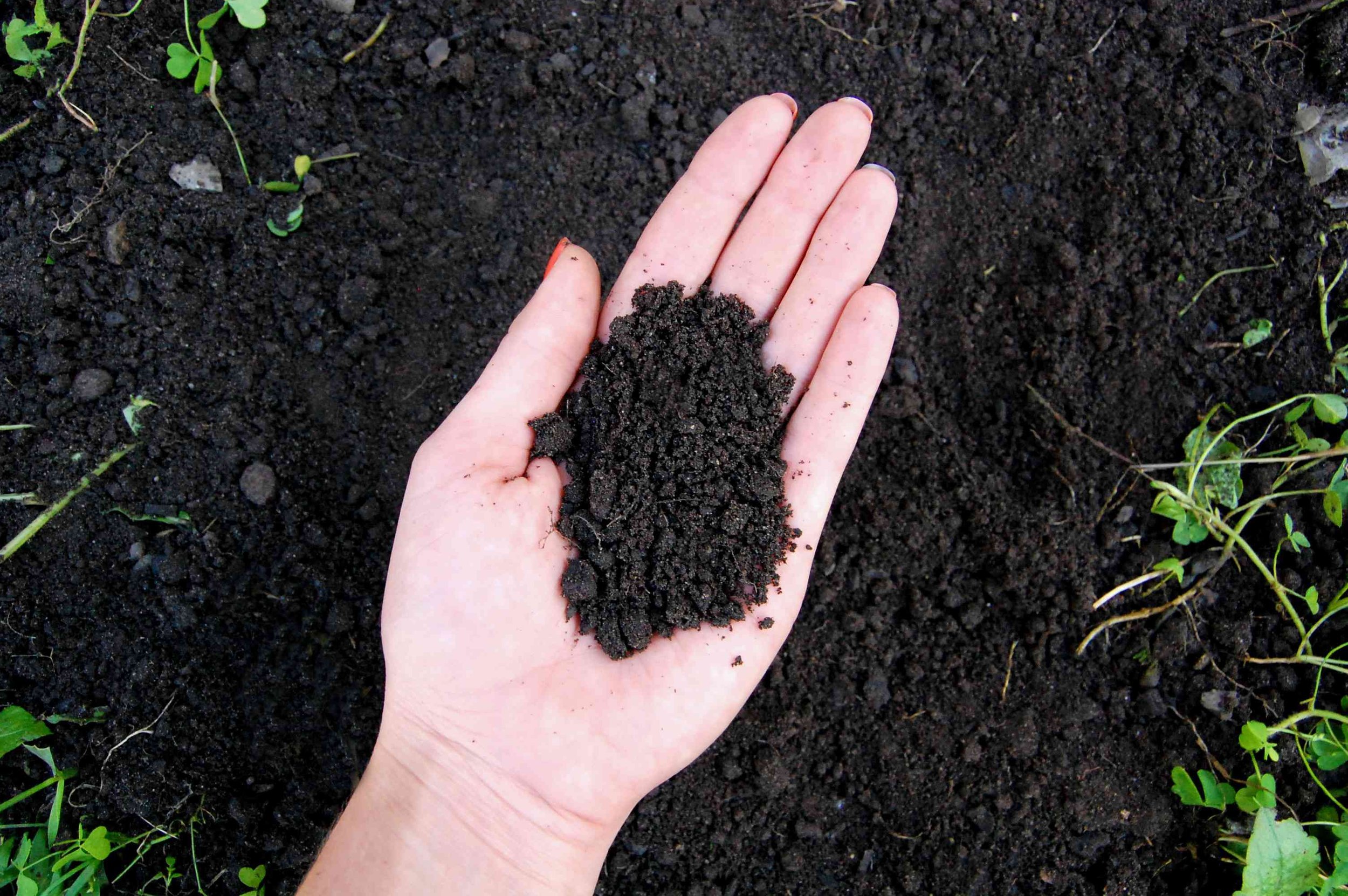
4. Loam: A Balance of Water, Air, and Nutrients
Loam is often considered a desirable garden soil because it contains a balanced mixture of sand, silt, and clay.
Rather than being excessively sandy or heavy, well-structured loam generally offers a useful balance between drainage, moisture retention, aeration, and nutrient availability.
Characteristics of loamy soil:
Generally supports good root development
Holds moisture without remaining saturated as easily as dense clay
Retains nutrients while allowing water to move through
Is often easier to cultivate
Can support a wide variety of plants
However, the word loam does not automatically guarantee good drainage. Compaction, poor grading, and restrictive soil layers can cause problems even when the surface soil has a favorable texture.
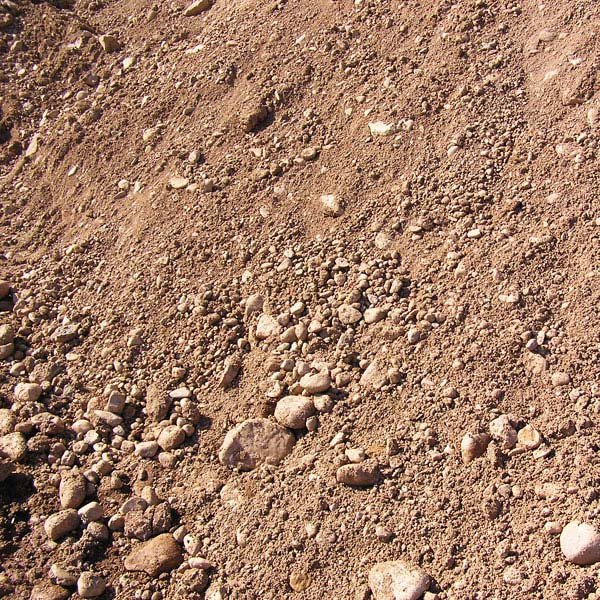
5. Rocky and Gravelly Soil: Challenging Conditions for Roots
Some California properties have shallow, rocky, or gravelly soils, particularly where the underlying geology or previous site grading has left substantial coarse material.
These soils can be difficult to excavate and may provide limited space for roots. Depending on their composition, they may drain quickly or contain dense layers that restrict root growth.
Landscaping in these conditions often requires careful plant selection, soil assessment, and planning for irrigation and root development.
A Quick Comparison of Soil Types
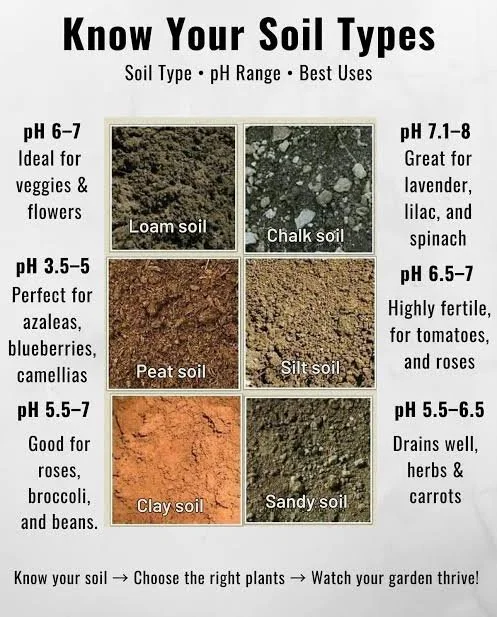
These are general tendencies, not guarantees. Soil structure, compaction, slope, and subsurface conditions can significantly change how a particular garden behaves.
Clay Soil Spotlight: Why Does It Stay Waterlogged Even After Adding Compost?
One of the most frustrating landscaping problems is a garden that remains soggy despite repeated attempts to improve the soil.
A homeowner may add compost, plant new flowers, adjust the irrigation, and still find standing water after the next rain. Plants may develop yellowing leaves, struggle to grow, or decline because their roots are sitting in saturated soil.
The reason is that poor drainage is not always a problem that compost alone can solve.
Clay soil has naturally small pores that hold water tightly. If the soil is compacted or a dense layer exists beneath the surface, water may have nowhere to go. Even when the upper few inches have been improved, the deeper soil can continue to restrict drainage.
Understanding the underlying cause is the first step toward a lasting solution.
Why Clay Soil Holds So Much Water
Clay particles are much smaller than sand particles. When clay becomes dense, the spaces between its particles can restrict the movement of water and air.
This creates two problems for plants:
Water moves through the soil slowly, leaving roots exposed to prolonged saturation.
Oxygen becomes limited around the roots, making it harder for plants to function normally.
Roots need both water and oxygen. Soil that remains saturated for too long can deprive roots of oxygen and contribute to root decline, even when the garden appears well watered.
Clay can also behave differently throughout the year. During wet winters, it may become sticky and saturated. During dry summers, the same soil may harden and crack, making it difficult for water to penetrate evenly.
Why Adding More Compost May Not Fix the Problem
Compost is valuable for improving soil structure, supporting beneficial soil organisms, and helping clay become easier to work over time.
However, compost primarily improves the soil into which it is incorporated or applied. It does not automatically correct every underlying drainage problem.
For example, consider a garden bed with a relatively loose, compost-enriched surface layer sitting above dense, compacted clay. Water may move through the upper layer and then slow dramatically when it reaches the dense soil below.
The result can be a saturated root zone despite the presence of compost.
Other causes of persistent waterlogging include:
Compaction: Foot traffic, construction equipment, or repeated work on wet soil can compress soil particles and reduce the spaces that allow water and air to move.
Restrictive subsurface layers: Dense clay, hardpan, or compacted fill may prevent water from draining deeper into the ground.
Poor grading: Low spots can collect runoff from surrounding areas.
High groundwater or hillside seepage: Water may enter the garden from below or move underground from higher ground.
Excessive irrigation: Watering too frequently can keep the root zone saturated, particularly during cool or rainy weather.
Each of these problems requires a different response. Adding more organic matter without identifying the cause may improve the surface while leaving the main issue unresolved.
How to Improve Clay Soil Without Making Things Worse
The right approach depends on the site, but several practices can help improve clay soil and protect its structure.
1. Avoid working clay when it is too wet.
Digging, tilling, or walking repeatedly over saturated clay can compact it further. Wait until the soil is moist enough to work without sticking heavily to tools or forming a dense, sticky mass.
2. Add organic matter gradually.
Compost and appropriate organic amendments can improve soil structure over time. Rather than repeatedly digging large amounts into isolated areas, consider how the entire planting bed can be improved and protected.
3. Protect the soil surface.
Suitable mulch can reduce erosion, moderate soil moisture, and help protect the surface from heavy rainfall. Keep mulch away from direct contact with plant stems and tree trunks.
4. Choose plants suited to the conditions.
Some plants tolerate clay and seasonal moisture better than others. Selecting plants that suit the existing soil can be more effective than trying to transform the entire property into a different soil type.
5. Improve irrigation practices.
Clay absorbs water slowly, so irrigation may need to be adjusted to avoid runoff and prolonged saturation. Drip irrigation, shorter watering cycles with pauses, and seasonal schedule adjustments can help when appropriate for the site.
6. Consider raised beds or mounded planting areas.
Where drainage is persistently poor, raising the root zone can provide plants with a better growing environment. This may be appropriate for selected planting beds, shrubs, or other landscape features, depending on the property's drainage and structural conditions.
7. Address drainage at its source.
If water collects because of grading, compaction, subsurface seepage, or a restrictive soil layer, a more targeted drainage solution may be necessary. French drains, surface drainage, grading improvements, or other measures should be selected only after assessing where the water comes from and where it can be safely directed.
One important caution: avoid mixing sand into heavy clay as a general-purpose fix. The result can be an even denser soil mixture. Gypsum is not a universal clay-soil remedy either; its usefulness depends on the soil's chemical properties.
Choosing Plants for Clay Soil in Marin County
Not every plant requires loose, fast-draining soil. Some plants can grow successfully in clay, provided the soil is not persistently waterlogged and the plant's other growing requirements are met.
For Marin County landscapes, plant selection should account for more than soil texture. Sun exposure, slope, coastal influence, irrigation, and seasonal moisture all affect whether a plant will thrive.
Depending on the site, plants worth considering may include:
California native Salvias: Many species tolerate a range of garden conditions once established, although drainage preferences vary.
Yarrow: A useful option for suitable sunny sites; establishment conditions and drainage still matter.
Deer Grass: A California native ornamental grass that can work in many naturalistic planting schemes.
Douglas Iris: Suitable for selected sites with appropriate moisture and light conditions.
Toyon: A native shrub that may be appropriate for well-sited gardens with suitable drainage.
Selected California native rushes and sedges: Potential options for areas that naturally remain moist, depending on the species and conditions.
These are starting points, not a universal planting list. Even plants described as drought-tolerant can struggle when their roots remain saturated during winter.
Before selecting plants, it is worth identifying whether the soil is simply heavy clay or whether the site has a more serious drainage issue.
When Should You Test Your Soil?
A soil test can help identify conditions that are not obvious from appearance alone. Depending on the concern, testing may reveal information about soil pH, nutrient levels, salinity, or other chemical properties.
See this article on how to do an at-home soil test.
A basic field assessment can also help determine whether the soil is sandy, silty, clay-heavy, compacted, or poorly drained.
Consider a more detailed assessment if:
Water consistently pools after rain or irrigation.
Plants repeatedly decline despite appropriate care.
The soil is unusually hard to dig.
New planting areas fail to establish.
You are planning a major garden renovation.
You suspect subsurface compaction or a drainage restriction.
Soil testing and drainage assessment serve different purposes. A soil test can help explain chemical conditions, but it may not identify a grading problem, high groundwater, or a dense layer beneath the surface.
For persistent drainage issues, evaluating the site itself is essential.
How Pacific Garden Artistry Approaches Soil and Drainage
At Pacific Garden Artistry, we understand that a successful landscape begins with the conditions already present on the property.
Before recommending plants or installing new landscape features, it is important to consider the soil, existing vegetation, drainage patterns, irrigation, slope, and intended use of the space.
Our landscape services can address several of the issues associated with challenging soil conditions, including:
Garden renovation: Reworking existing planting areas and identifying opportunities to improve their long-term health.
Rainwater drainage: Evaluating water accumulation and considering appropriate drainage improvements.
Irrigation improvements: Helping deliver water more efficiently based on plant needs and site conditions.
Drought-tolerant landscaping: Selecting plants and landscape materials suited to Marin County's seasonal climate.
Native plant landscaping: Incorporating California native plants where they are appropriate for the soil and growing environment.
Landscape maintenance: Supporting healthy planting areas through appropriate care and ongoing management.
Our goal is not to force every property to have the same soil or garden style. It is to understand the conditions, work with the landscape, and make informed choices that support a healthier and more functional outdoor space.
Frequently Asked Questions About California Soil
What type of soil is most common in Marin County?
Marin County has varied soil conditions, including clay-rich soils, loams, sandy soils, and shallow or rocky soils. The type found on an individual property depends on local geology, terrain, drainage, and previous land use.
Is clay soil good for landscaping?
Yes. Clay can retain moisture and nutrients well, and many plants grow successfully in it. The main challenges arise when the soil is compacted, poorly structured, or remains saturated for extended periods.
Does compost fix clay soil drainage?
Compost can improve soil structure gradually, but it does not necessarily correct deep compaction, restrictive subsurface layers, poor grading, or high groundwater. Persistent drainage problems require identifying the underlying cause.
Should I add sand to clay soil?
Not as a general-purpose solution. Mixing sand into heavy clay can create a dense mixture rather than improve drainage. Soil amendments should be selected based on the actual soil conditions.
How do I know if my garden has a drainage problem?
Warning signs include water that remains pooled long after rainfall, persistently soggy soil, repeated plant decline, and waterlogged planting holes. These signs may indicate compaction, poor grading, restrictive layers, or other drainage conditions.
Can drought-tolerant plants grow in clay soil?
Some can, provided the soil drains sufficiently and the plants are suited to the site's conditions. Drought tolerance does not necessarily mean tolerance of prolonged winter saturation.
Build a Healthier Garden from the Ground Up
The best landscaping decisions begin with understanding what is already there. Sandy soil, loam, clay, and rocky ground each present different opportunities and challenges, and even a beautiful planting plan can struggle if the soil and drainage conditions are overlooked.
For Marin County homeowners, understanding these conditions can help guide plant selection, irrigation, drainage improvements, and long-term garden care.
Pacific Garden Artistry combines horticultural knowledge, thoughtful design, and quality craftsmanship to create landscapes that work with the property—not against it.
Whether you are renovating an established garden, addressing persistent drainage problems, or planning a new landscape, we can help you evaluate the conditions and explore practical next steps.
Contact Pacific Garden Artistry to discuss your Marin County landscaping project.