
Celebrating This Year's Blooms and Looking Ahead
As autumn gives way to winter in Marin County, our gardens begin to change. The long, warm days of summer are behind us, flowering displays gradually fade, and many plants slow their growth as the cooler, wetter months arrive.
But a garden is never truly finished.
The flowers that brought color, fragrance, and life to our landscapes over the past year have their own seasonal rhythms. Some will rest through the winter, others will retain their foliage, and a few may surprise us with blooms even during the cooler months. Before long, longer days and warmer sunshine will encourage another season of growth.
At Pacific Garden Artistry, we take pride in the flowers we select and plant throughout Marin County. Every variety brings something different to a garden, whether it is a striking burst of color, a delicate fragrance, an unusual flower shape, or an ability to thrive in California's Mediterranean climate.
As we approach winter, we wanted to take a moment to celebrate a few of the beautiful flowering plants that have found a place in our landscapes.
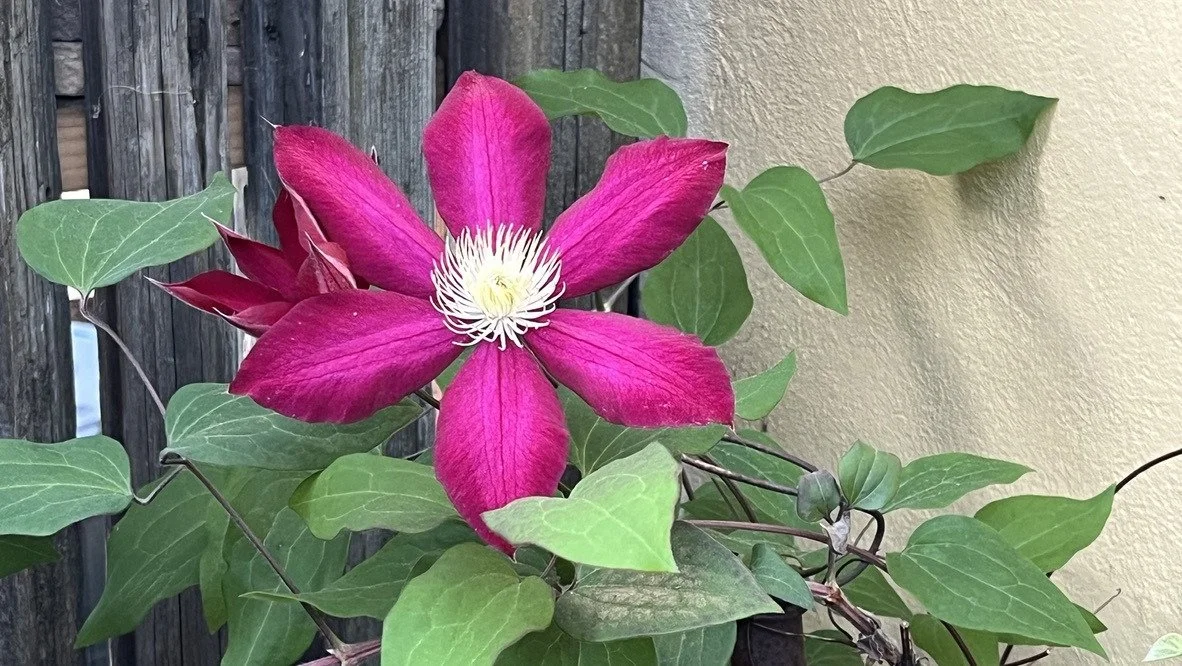
Clematis 'Rebecca': A Brilliant Splash of Red
Few flowers make an entrance quite like Clematis 'Rebecca'. Its large, velvety red blooms create a striking contrast against green foliage, making it an excellent choice for adding vertical color to a garden.
This climbing perennial is well suited to Marin gardens where it can grow along a trellis, fence, or other garden structure. It typically produces its main flush of flowers in late spring and early summer, with the potential for another display later in the season. As winter approaches, its deciduous growth naturally slows, but its established roots and stems provide the foundation for next year's flowers.
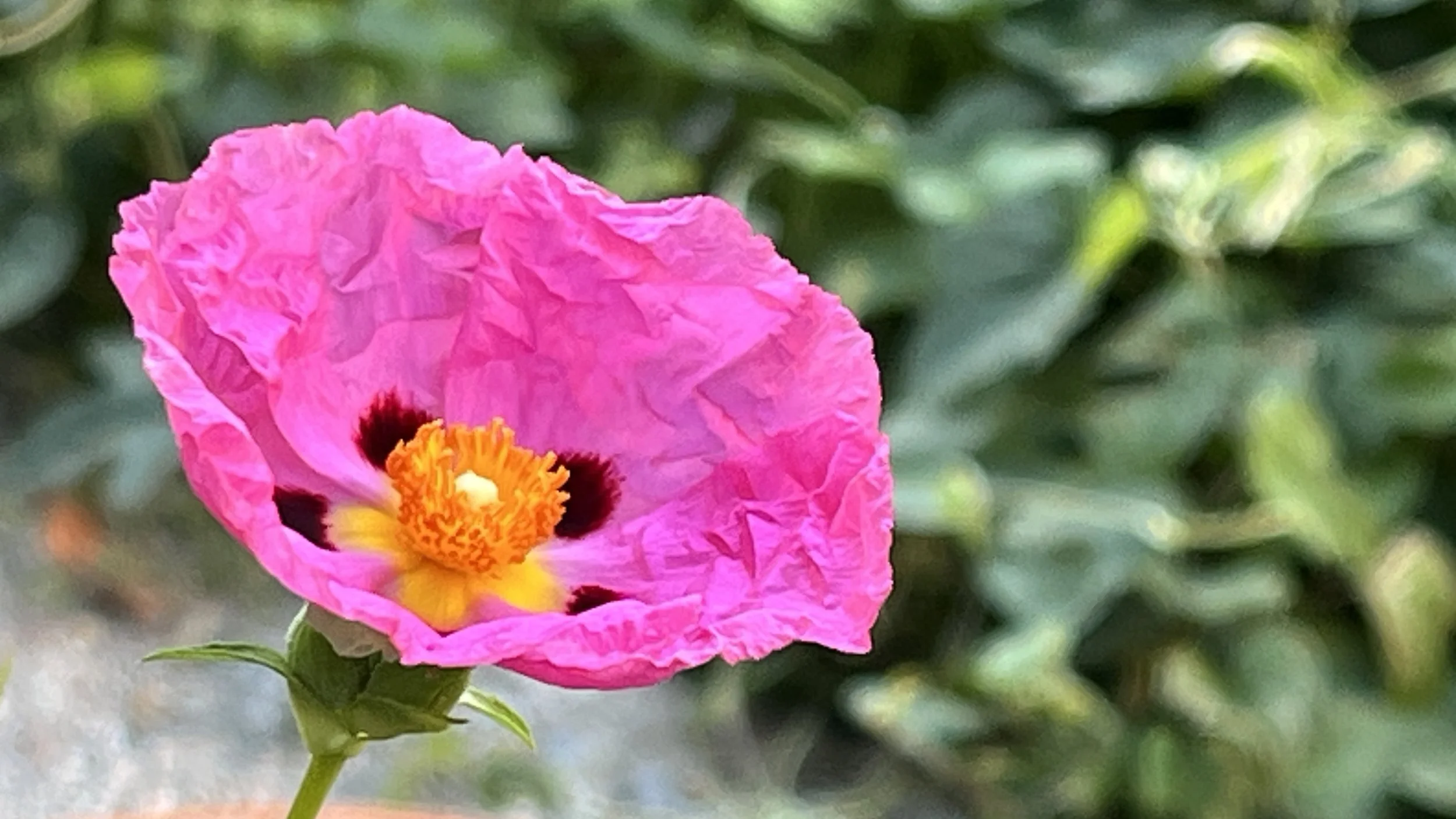
Orchid Rockrose: Mediterranean Beauty with California Appeal
Orchid Rockrose (Cistus × purpureus) brings a distinctly Mediterranean character to the landscape. Its delicate pinkish-purple flowers feature deep maroon markings at their centers, creating a beautiful contrast with its evergreen foliage.
This flowering shrub is particularly well suited to California's dry-summer climate. It is drought tolerant once established, prefers sunny locations, and can tolerate coastal conditions. Its relatively low water requirements make it a useful choice for water-conscious Marin gardens, while its flowers add seasonal color from spring into summer. It is also an attractive option for sunny slopes and banks.
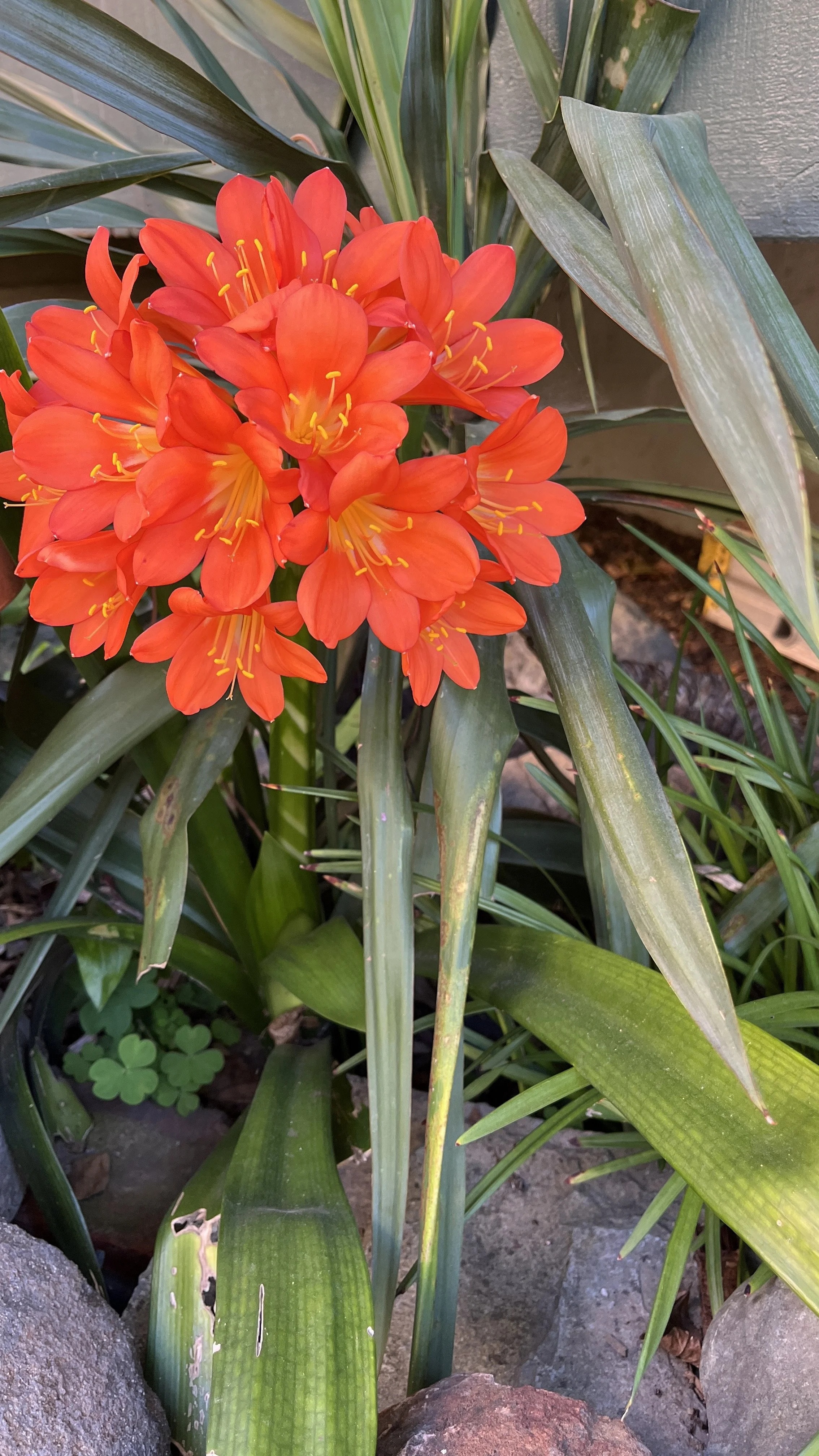
Bush Lily: Color for Shaded Garden Spaces
The Bush Lily (Clivia miniata) offers something a little different. Rather than relying on large amounts of sunlight, this South African perennial produces clusters of bright orange, trumpet-shaped flowers in partially shaded garden spaces.
Its dark green, strap-shaped leaves remain attractive even when the plant is not flowering, making it valuable throughout the year. Bush Lily is particularly useful in Marin gardens beneath trees, along sheltered pathways, or in areas where many sun-loving flowers would struggle. Its flowering season is generally late winter into spring, so while other garden flowers are beginning to rest, this plant may be preparing for its own colorful display.
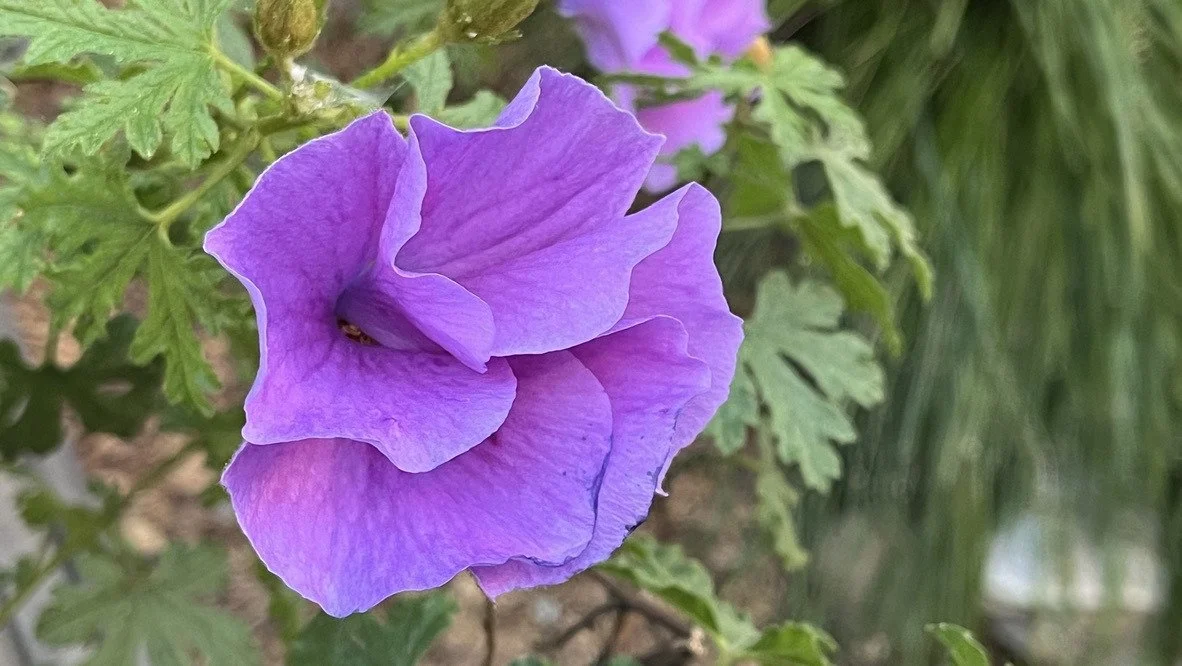
Blue Hibiscus: A Long-Season Display of Blue
Blue Hibiscus (Alyogyne huegelii) is a beautiful flowering shrub known for its large, hibiscus-like flowers in shades of blue and lavender. Originally from Western Australia, it is not a California native, but its adaptability and relatively low water requirements make it a useful addition to many California gardens.
Blue Hibiscus enjoys sunny to partially shaded locations and well-drained soil. In suitable Marin microclimates, it can provide an extended flowering season through the warmer months and sometimes beyond. Its open, informal growth habit and striking flowers make it an excellent choice for adding height, color, and visual interest to a planting scheme.
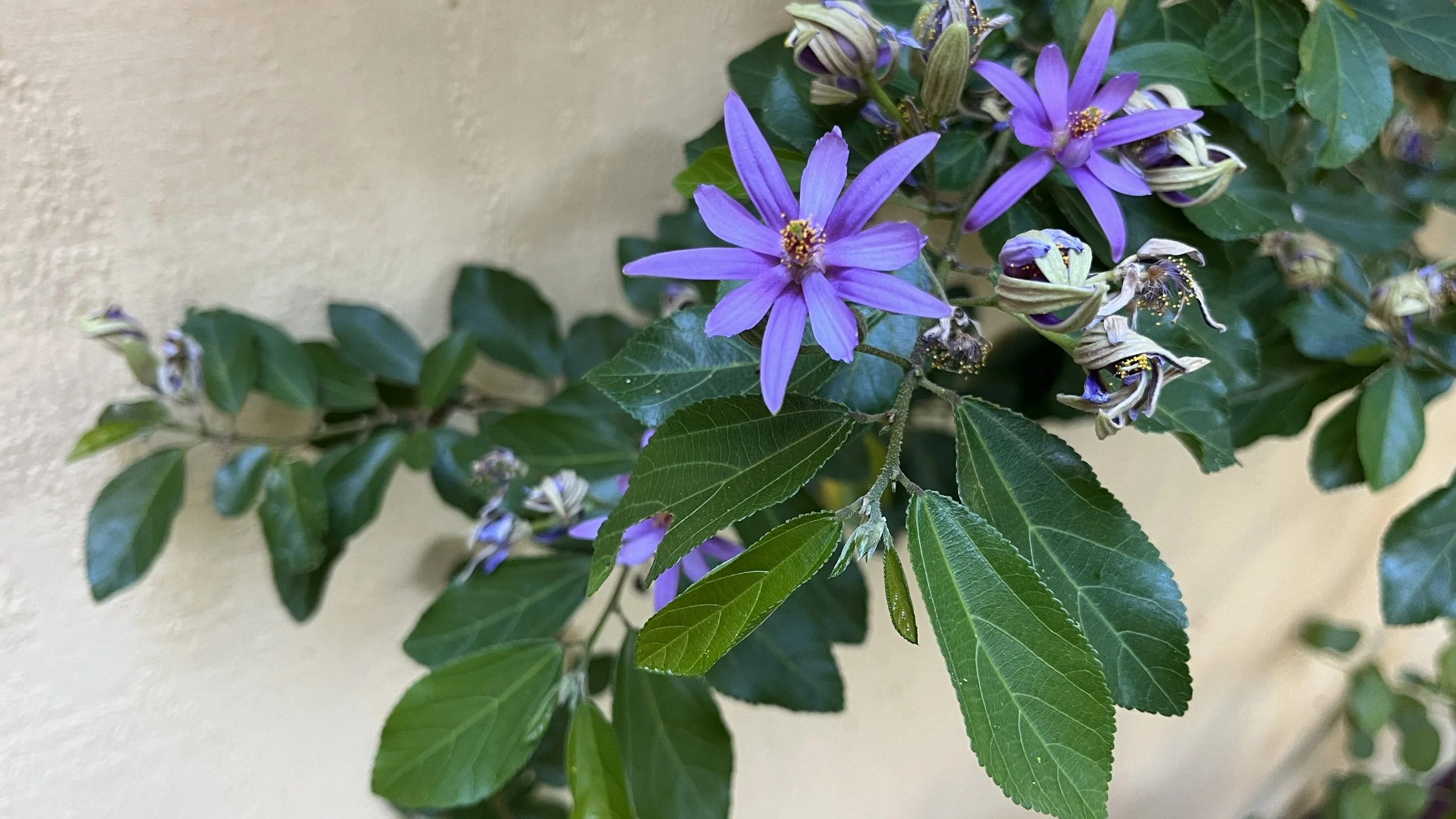
Lavender Star Flower: Delicate Blooms with Lasting Appeal
Lavender Star Flower (Grewia occidentalis) is a flowering shrub with distinctive five-pointed, star-shaped blooms in soft shades of lavender and purple. Native to southern Africa, it is not indigenous to California, but it can adapt to a range of garden conditions and is used in ornamental landscapes for its extended flowering season.
Its flowers can appear from spring through fall, providing color over a longer period than many seasonal perennials. The dark green foliage creates an attractive backdrop for the blooms, and the shrub can be used as a specimen plant, informal screen, or feature along a garden wall or fence. For Marin homeowners, it offers an opportunity to introduce a different flower shape and a softer color palette into the landscape.
Winter Is a Pause, Not the End of the Garden
One of the most rewarding aspects of landscaping is watching a garden change throughout the year.
As temperatures cool and rainfall returns, many flowering plants begin to slow down. Some lose their leaves, some stop producing flowers, and others continue to provide structure and greenery while waiting for the next favorable growing season.
This seasonal transition is a natural part of a healthy garden. Winter moisture helps replenish the soil, established roots continue developing, and plants prepare for the growth that warmer weather will bring.
Before we know it, spring will return to Marin County. Clematis will begin climbing and flowering again, Rockrose will open its delicate petals, and gardens will once more fill with the colors and fragrances that make outdoor spaces so enjoyable.
And for those of us who work with plants every day, that is one of the most satisfying parts of the job: knowing that today's planting will become tomorrow's garden.
Thoughtful Planting Makes a Garden Last
At Pacific Garden Artistry, we believe a successful landscape should offer more than a beautiful moment. It should develop and mature with the seasons, providing changing colors, textures, fragrances, and structure throughout the year.
That means selecting plants with care and considering their mature size, flowering periods, water requirements, sunlight exposure, and suitability for the property's soil and microclimate.
Marin County's Mediterranean climate offers wonderful opportunities for combining California native plants with carefully selected Mediterranean and other climate-adapted varieties. With the right planning, homeowners can enjoy beautiful gardens while making responsible use of water and supporting local biodiversity where appropriate.
As we look back on this year's flowers, we are already looking forward to the next season of blooms.
Here's to the flowers we've enjoyed, the gardens we've created, and all the color still to come.
Planning a Garden for the Seasons Ahead?
Whether you are refreshing an existing garden, introducing new flowering plants, or planning a complete landscape renovation, Pacific Garden Artistry can help you create an outdoor space that reflects your property and the natural character of Marin County.
Contact Pacific Garden Artistry to discuss your next landscaping project.